


Introduction
As a hair restoration professional, understanding the initial stage of your patient’s journey – the recognition and awareness of hair loss – is crucial to providing empathetic, patient-centered care. In this phase, individuals begin to notice changes in their hair, such as thinning, receding hairlines, or bald spots, which can trigger a range of emotional responses and prompt them to seek information and solutions.
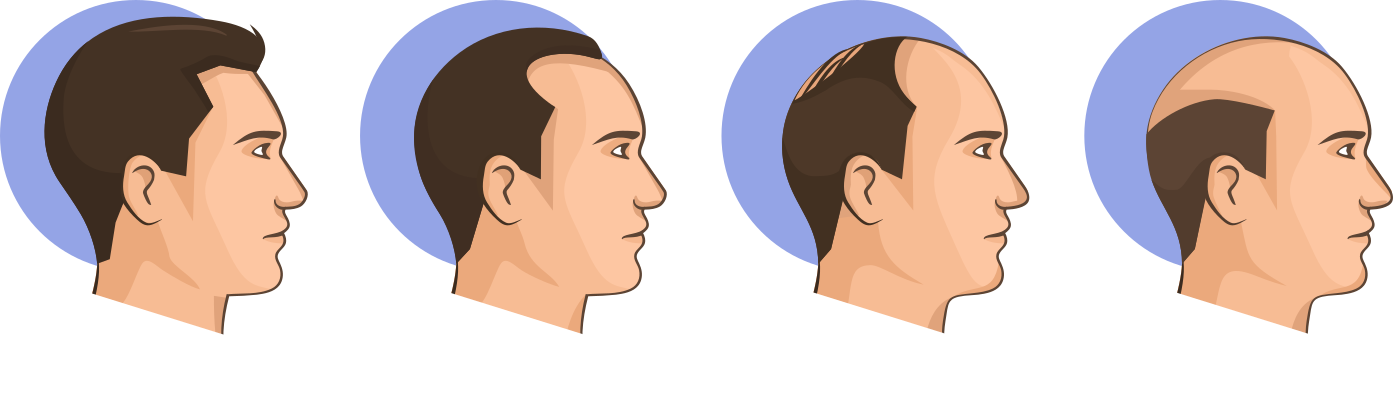

Key Triggers and Signs of Hair Loss
Patients may become aware of their hair loss through various triggers and signs, including:
1.Gradual thinning of hair on the scalp,
particularly at the crown or hairline
2.Excessive shedding of hair during washing or styling
3.Visible bald spots or patches on the scalp
4.Widening part lines or a noticeable decrease in hair volume
5.Comments from family, friends, or colleagues about changes in hair appearance
Emotional Impact of Recognizing Hair Loss
For many patients, the realization of hair loss can be a deeply emotional experience, triggering feelings of:
1.Anxiety and stress about the
potential progression of hair loss
2.Low self-esteem and diminished confidence in personal and professional settings
3.Frustration and helplessness in the face of a seemingly uncontrollable issue
4.Concern about the impact of hair loss on personal relationships and social interactions
As a hair restoration professional, understanding the initial stage of your patient’s journey – the recognition and awareness of hair loss – is crucial to providing empathetic, patient-centered care. In this phase, individuals begin to notice changes in their hair, such as thinning, receding hairlines, or bald spots, which can trigger a range of emotional responses and prompt them to seek information and solutions.
Keep In Touch
Sign up for emails for updates and special events.
Factors Contributing to Patients Seeking Treatment
While the recognition of hair loss is a crucial first step, several factors can influence a patient’s decision to actively seek treatment:
- Severity and progression of hair loss: Patients with more advanced or rapidly progressing hair loss may be more motivated to seek immediate solutions.
- Personal and professional impact: Individuals whose careers or personal lives are significantly affected by hair loss may prioritize seeking treatment.
- Age and life stage: Younger patients or those experiencing hair loss at a critical life juncture, such as marriage or a job search, may feel a greater urgency to address the issue.
- Emotional readiness: Some patients may need time to process the emotional impact of hair loss before feeling ready to explore treatment options.
Strategies for Supporting Patients in the Problem Recognition Phase
While the recognition of hair loss is a crucial first step, several factors can influence a patient’s decision to actively seek treatment:
01
Providing clear, accessible information about the signs and causes of hair loss through your practice’s website, blog, or educational materials.
02
Offering compassionate, judgment-free consultations that validate patients’ concerns and emotions surrounding hair loss.
03
Creating a welcoming, discreet environment that encourages patients to discuss their hair loss concerns openly and honestly.
04
Sharing success stories and before-and-after photos of previous patients to demonstrate the potential for positive change and inspire hope.
By understanding the problem recognition and awareness phase of the hair restoration journey, you can create a foundation of trust and understanding with your patients, setting the stage for a successful, transformative treatment experience.
Buyer’s Journey Series
- Buyer’s Journey
- Problem Recognition
- Information Gathering
- Evaluation
- Decision Making
- Empathy
- Empathy into Practice
- Conclusion

